
Ever been tempted to zip around a slow-moving truck, even when you’re on a road with double yellow lines? Doing so can land you with a traffic ticket for violating Section 21460 of the California Vehicle Code (CVC).
21460 CVC outlines when drivers may and may not cross double parallel lines. Here’s what the law says, how it’s enforced, and what to do if you get a ticket.
What Is CVC 21460?
California Vehicle Code 21460 prohibits motorists from crossing double white or yellow lines. These lines mark areas where visibility constraints, oncoming traffic, or other hazards pose safety concerns.
CVC 21460 has three subsections, each covering a specific rule. These include:
- CVC 21460 a: Drivers are not allowed to cross double parallel solid yellow lines except under specific circumstances, such as when turning left into or out of a private driveway.
Example: Sarah is in a hurry to get to her destination. She decides to make a left turn into a shopping plaza. Instead of waiting for a designated turning area, she crosses the double yellow lines directly in front of an oncoming vehicle, causing it to brake suddenly. That’s a violation of CVC 21460 a.
- CVC 21460 b: Drivers may not cross double parallel solid white lines except under specific circumstances.
Example: While exiting his driveway, Mike turns left to merge onto a busy road. Instead of waiting for a gap in traffic, he crosses the double white lines when it’s not safe, almost colliding with a motorcyclist traveling in the opposite direction.
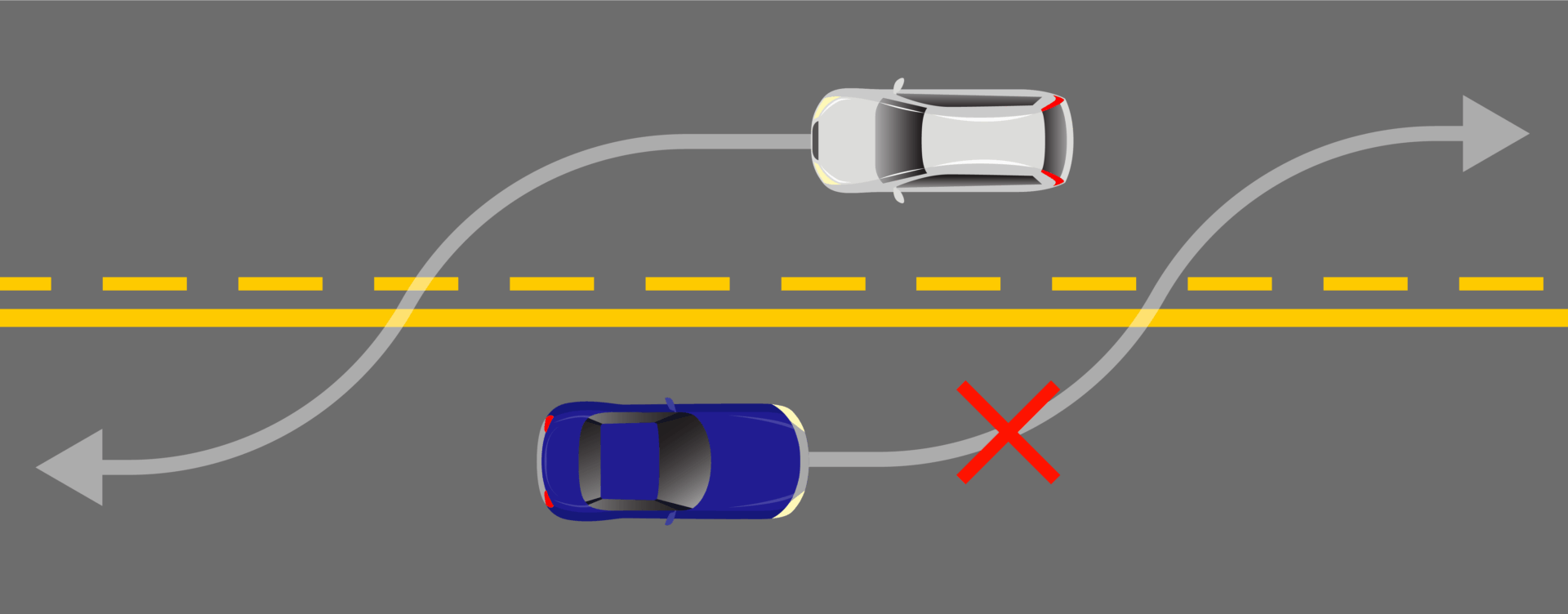
- CVC 21460 c: Drivers may cross double parallel lines, one of which is broken, if the broken line is on their side of the road.
Example: John sees double yellow lines with a broken line on the opposite side. He crosses to pass a slower car, but since the solid line is on his side, the move is illegal—and he can be cited for violating 21460. (c).
Double yellow lines separate traffic traveling in opposite directions and prohibit passing unless the one on your side is broken.
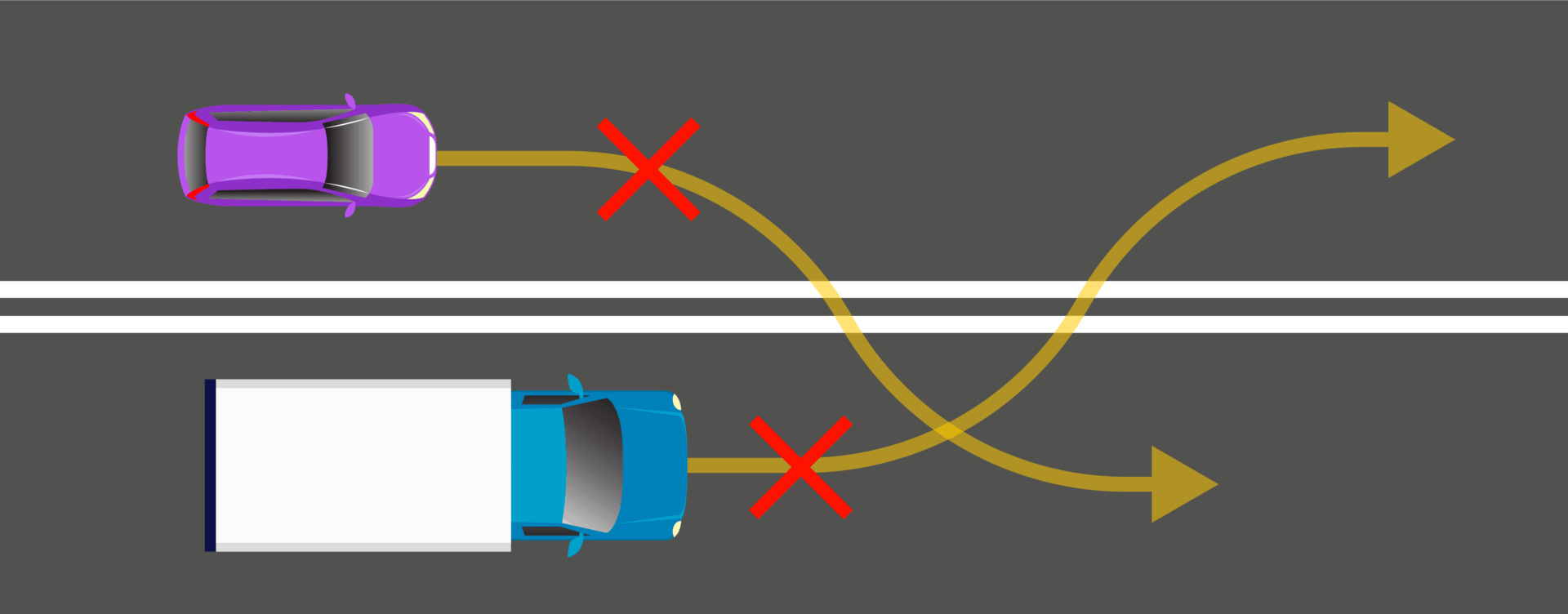
Double white lines, on the other hand, separate traffic moving in the same direction. If you cross them, you could be cited under CVC 22107, which prohibits unsafe lane changes.
Road lines in California are designed to regulate traffic and improve safety. Their placement is based on engineering assessments that take into account visibility, curves, elevation changes, traffic volume, and other roadway conditions.
Exceptions to CVC 21460
There are situations where a vehicle may cross double parallel lines without breaking the law. These include the following:
- When entering or leaving a driveway or private road.
- When turning left at an intersection.
- When making a legal U-turn.
- When road conditions (e.g., construction work) demand it.
- When there’s a broken yellow line on the driver’s side of the road.
Remember that California law requires drivers to stay in the right lane or on the right half of the roadway. These rules are outlined in CVC 21650.
So, if you pass another vehicle or bicycle when a broken yellow line is on your side, you must return to the right lane after completing the maneuver.
Traffic school can help you keep a clean driving record, prevent insurance increases, and more!
How Much Is a Ticket for CVC 21460?
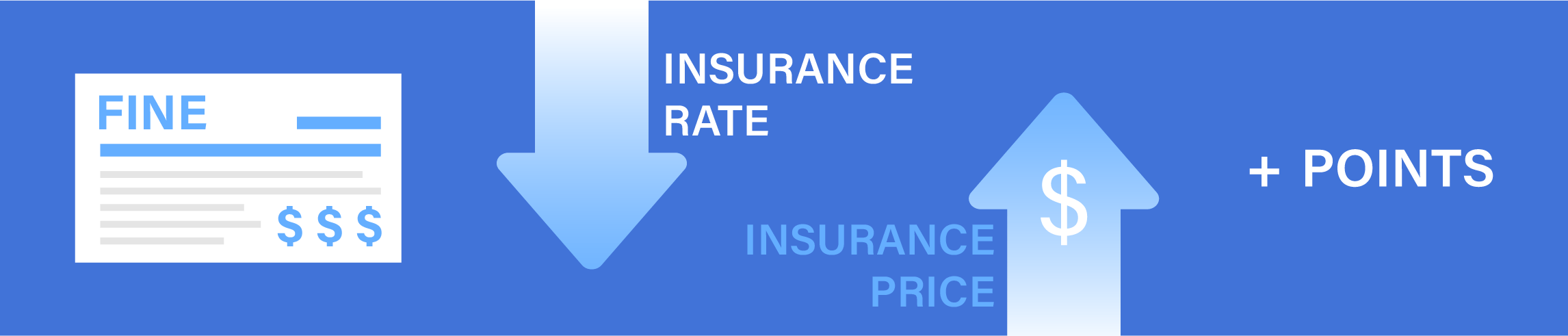
Violating CVC 21460 is an infraction punishable by one demerit point and a $234 fine plus administrative fees. You may also face the following consequences:
- License suspension: The California Department of Motor Vehicles (DMV) may suspend your license if you accrue four points within one year, six points within two years, or eight points within three years.
- Insurance rate hikes: One-point violations stay on your driving record for three years, during which you’ll likely pay higher auto insurance rates. The average increase is around 30%, though it may vary from one insurer to another.
The only way to prevent these scenarios is to complete traffic school. If you qualify for this option and finish the course by the due date, the court will mask one point from your license.
Traffic school is available to non-commercial drivers charged with infractions, such as a CVC 21460 violation. If you meet the traffic school eligibility criteria, you can take the course online or in person to maintain a clean driving record and “hide” your ticket from insurance providers.
Beyond legal penalties, crossing double yellow lines can result in serious accidents. Oncoming traffic might not anticipate a vehicle suddenly appearing in their lane, leading to collisions that can cause property damage, injuries, or even deaths.
Drivers who violate 21460 CVC and cause a crash resulting in bodily injury or death could face a civil lawsuit. If that happens, they may need to compensate the victim for medical bills, lost wages, and other damages.
Read: Is Traffic School Worth It?
Examples of 21460 CVC Violations
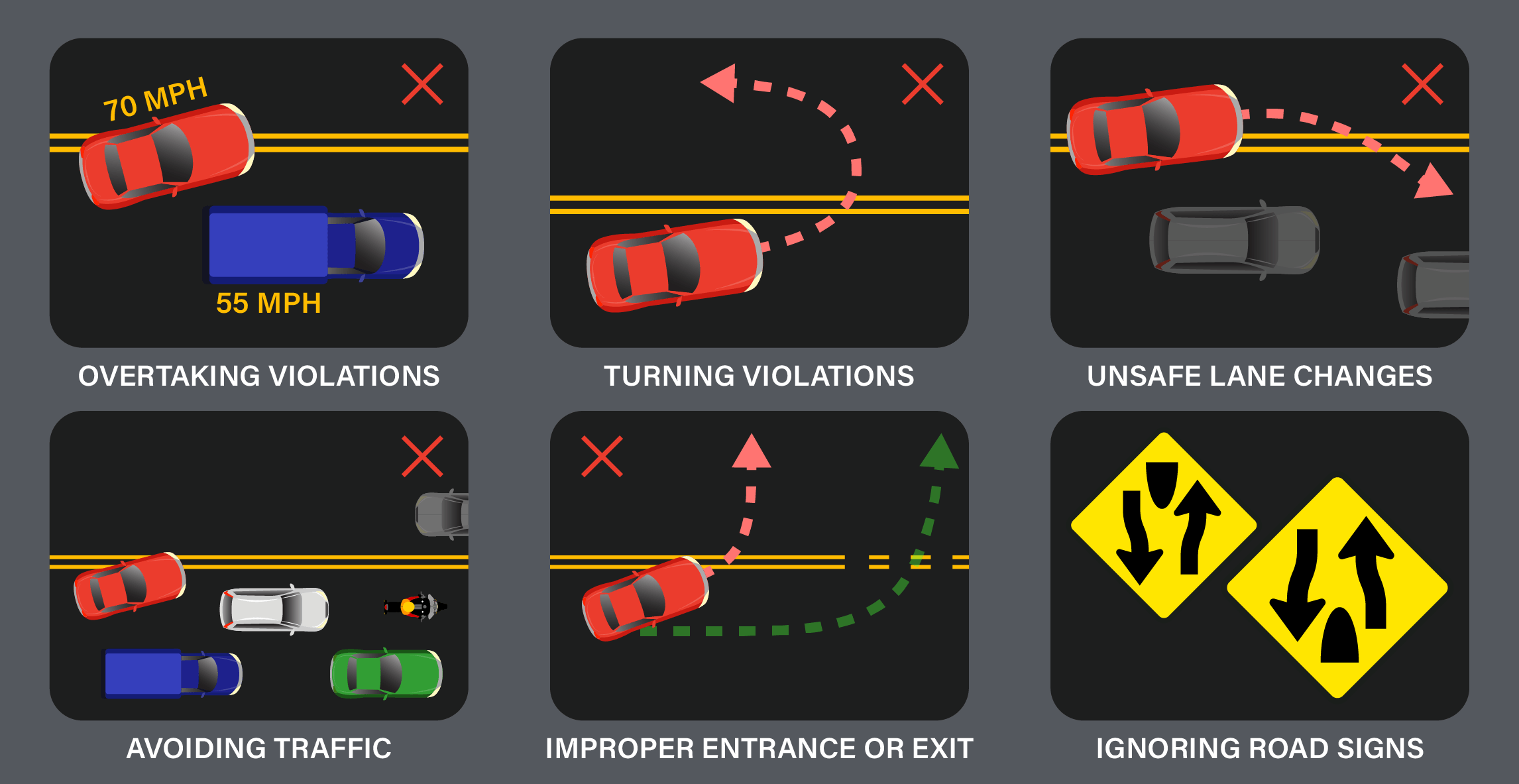
CVC 21460 primarily addresses the illegal crossing of double yellow lines. However, within the code, there are several types of violations drivers can commit. Some of the most common include:
- Overtaking violations: Overtaking slower vehicles by crossing double yellow lines without considering oncoming traffic or road conditions is illegal.
- Turning violations: Crossing double yellow lines while turning left or right is illegal unless there’s a designated break, such as a turning pocket.
- Unsafe lane changes: Crossing double yellow lines without overtaking, such as when attempting to avoid an obstacle in your lane, is prohibited under CVC 21460.
- Avoiding traffic: Drivers sometimes cross double yellow lines to bypass congestion. Even if the opposite lane appears clear, this maneuver endangers oncoming traffic and violates CVC 21460.
- Improper entrance or exit: Some drivers cross double yellow lines when entering or exiting driveways, parking lots, or side streets. If there’s no designated break in the double yellow lines, this maneuver is considered illegal.
- Ignoring road signs: Double yellow lines can be accompanied by special road signs. Ignoring these signs constitutes another violation of the law.
Double yellow lines are there for a reason—they signify areas where it isn’t safe to cross. Ignoring them can endanger your life and the lives of others while affecting traffic flow.
What to Do If You Get a CVC 21460 Ticket for Crossing Double Yellow Lines
Depending on your circumstances, there are three ways to deal with a CVC 21460 ticket: fight the charges, pay the fine, or go to traffic school.
Here’s what you should know about each option, including its pros, cons, and legal implications.
Pay the Fine
If you pay the fine for your CVC 21460 ticket, you don’t have to appear in court or take further action. It’s the fastest way to resolve your ticket. But the violation will add a point to your driving record, which may increase your insurance rates. It will also count toward your total point count and bring you closer to license suspension.
Pros
✔️ Quick and straightforward.
✔️ No court appearance required.
Cons
❌ The conviction stays on your record.
❌ Your insurance rates could go up.
❌ No chance to contest or remove the point.
Fight the Ticket
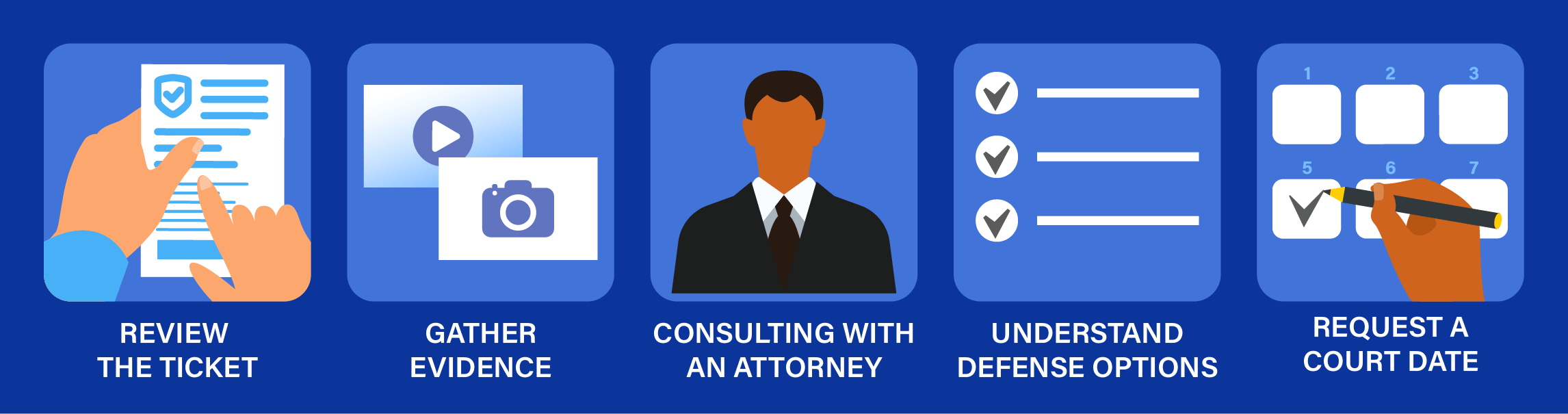
If you believe you’ve been unfairly cited, or if there were unique circumstances that led to the infraction, you may choose to contest the ticket. Simply follow these steps:
- Review the ticket carefully: Make sure that all the information is accurate, including details about the location, date, time, and the nature of the offense. Any discrepancies might help your case.
- Gather evidence: Take photos of the location where you received the ticket, especially if there are any factors that might help you make your case. Check for faded road markings, obscured signs, or any other issues that could have led to confusion. Witnesses can also provide testimony in your defense.
- Consult an attorney: While not required, you may hire a traffic lawyer to help you identify valid defenses and navigate the court process more easily.
- Build your defense: Not every defense is legally valid. Some defenses that may work include:
- The lines were not clearly marked.
- You crossed for safety reasons (e.g., to avoid a collision).
- The maneuver was legal (e.g., entering a driveway at a break in the double yellow line).
- The ticket was issued in error or contains inaccurate information.
- There was no probable cause for the stop or citation.
- Request a court date: Plead not guilty at your arraignment, or initial hearing, then present your evidence on the assigned date. Dress professionally, arrive early, and keep your arguments clear.
- Consider an appeal: If you lose and still believe you’re right, consider filing an appeal. This process can be complex and time-consuming, so weigh the benefits against the costs.
Fighting a 21460 CVC ticket takes preparation and credible evidence. Your best chance lies in showing that crossing the lines was justified, unavoidable, or misinterpreted by the officer.
Pros
✔️ You may be able to dismiss the charge and avoid fines or points.
✔️ You have the opportunity to present evidence in your defense.
Cons
❌ Can be expensive and time-consuming.
❌ Requires court appearance.
❌ If you lose, the point goes on your record.
Request a Trial by Written Declaration
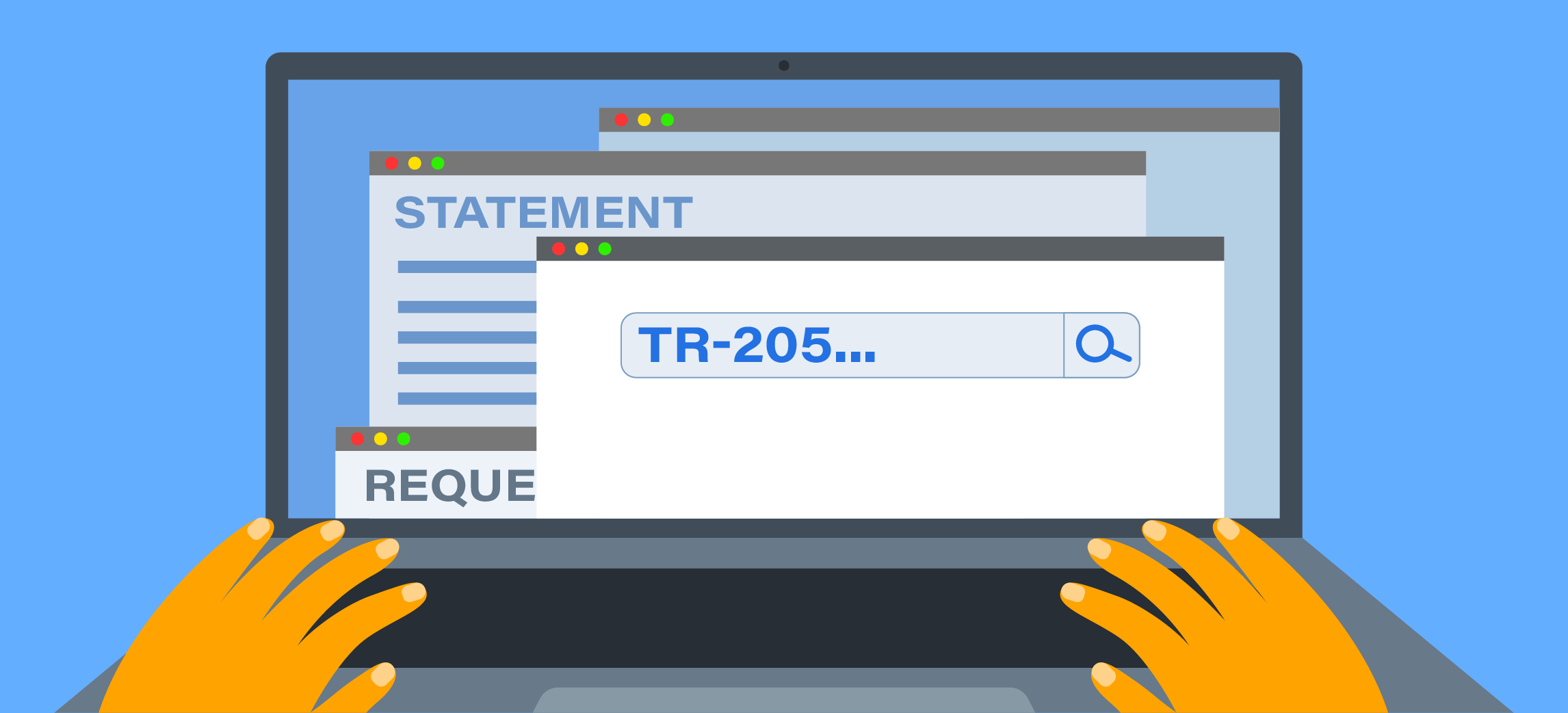
Californians can contest a CVC 21650 ticket without going to court by filing a trial by written declaration. This legal process involves presenting their case along with supporting evidence in writing.
Your letter to the judge will contain the same information you’d present in court, including photos, dashcam footage, witness testimony, and so on. Make sure your defense is valid, such as unclear markings, legal maneuvers, or procedural errors.
The court will review your statement of facts, as well as one from the police officer who issued your ticket. If he or she doesn’t respond, the judge may dismiss your case.
After submitting the required documents and paying the fine, wait for the court’s decision by mail. If you win, your fine will be refunded. If not, you can request a new trial and appear before a judge.
Pros
✔️ No court appearance required.
✔️ Less stressful than a standard trial.
✔️ Charges may be dismissed if the officer doesn’t submit a statement.
✔️ You can request a new trial if the verdict is not in your favor.
Cons
❌ Must pay the fine upfront.
❌ The trial can take 30 days to three months or longer.
❌ Limited opportunity to explain or clarify things after submitting your statement.
Go to Traffic School
There’s also the option to attend traffic school, which involves completing a state-approved course online or in person. Traffic school won’t remove the point from your record, but it will hide it from insurance providers, employers, and others who may review your driving history. This means it can prevent your insurance rates from increasing.
In California, you can take traffic school for minor violations no more than once every 18 months. Other eligibility requirements include:
- Pleading guilty and paying your fine.
- Holding a valid non-commercial driver’s license.
- Being cited for a one-point moving violation, such as crossing double yellow lines.
- Being sober at the time of the offense.
Your citation will mention whether you’re eligible for traffic school, but you should still check with the court.
If you qualify, you can complete the course online in as little as two or three hours or attend an in-person class that lasts at least eight hours. California courts accept both course formats as long as the program is DMV-approved.
Pros
✔️ Keep points off your record.
✔️ Prevent insurance hikes after a traffic ticket.
✔️ Fast and easy if you take the course online.
Cons
❌ You still have to pay the fine, plus a traffic school administrative fee.
❌ Limited to once every 18 months.
Why Choose Best Online Traffic School?
Founded in 2018, Best Online Traffic School is a DMV-approved course provider with a track record of success. Our online course is accepted by traffic courts in all California counties, offering flexibility, convenience, and a seamless learning experience.
Students get 12 lessons with easy-to-follow materials and practice tests, ending with a 25-question open-book final exam. 99.9% of students pass on the first try, but if you don’t, you can retake the exam for free.
Throughout the course, we offer 24/7 live chat support, including technical assistance. Other perks include:
✅ Unlimited course retakes
✅ Free audio read-along in English, Spanish, and Chinese
✅ Multi-device compatibility
✅ Save-and-resume feature
✅ Instant electronic certificate
✅ Same-day submission to the court and DMV
✅ Secure payment processing
✅ Our “Don’t Pay Until You Pass” Guarantee
Not sure if our course is right for you? You can sign up for free, go through all the lessons, and pay only after you pass.
A CVC 21460 ticket doesn’t automatically mean higher insurance premiums. Start traffic school for FREE to keep points off your record and avoid insurance hikes.
FAQs About CVC 21460
Is there anything else you want to know about CVC 21460? Below are the answers to some frequently asked questions.
Can you cross a double yellow line into a business?
Yes, you may cross double yellow lines to enter a business driveway if you’re making a safe left turn. This means yielding to oncoming traffic, checking your mirrors, and ensuring the maneuver doesn’t pose a hazard.
How long can you sit on double yellow lines?
In California, you may not sit or park on double yellow lines, except for brief stops in emergency situations (e.g., to avoid a collision or hazard). Even then, you could still be cited.
Is there a crossing double white lines CVC?
Yes, CVC 21460 b prohibits drivers from crossing double solid white lines except under specific circumstances, such as when turning left into a driveway. You can also cross when directed to do so by a traffic officer or official signage.